Best Point Hotel Sultanahmet,Istanbul
Istanbul - Akbiyik Cad No 71 Sultanahmet
Book now
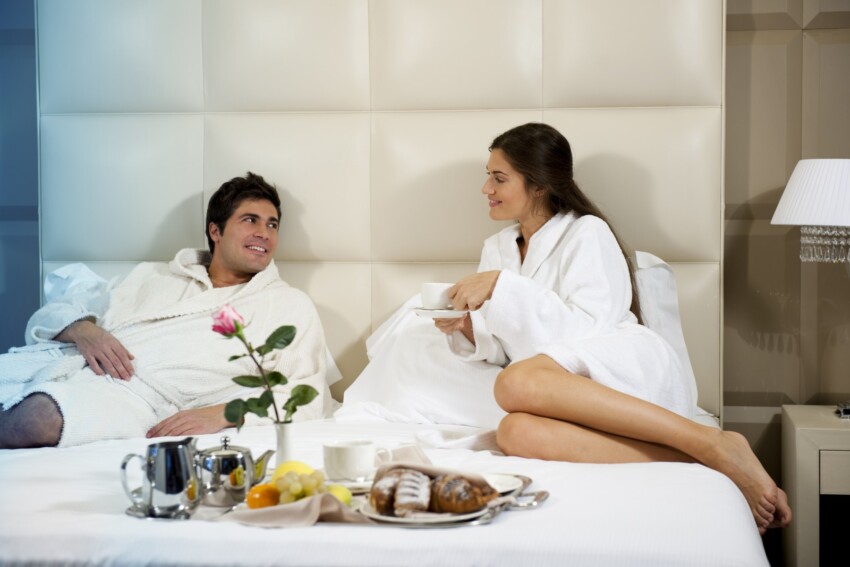
Turkey is a captivating country that straddles two continents, offering an extraordinary variety of landscapes, cultures and experiences. From the minarets of Istanbul to the surreal rock formations of Cappadocia, from the turquoise beaches of the Mediterranean coast to the archaeological sites of the Aegean shore, each region presents unique characteristics, including the accommodation options available.
Choosing where to stay in Turkey depends first and foremost on the type of trip you have in mind. If your goal is to explore urban history and culture, you’ll concentrate your stay in the major cities. If instead you’re dreaming of a beach holiday and relaxation, the coastal resorts offer all-inclusive resorts and beachfront boutique hotels. For those seeking a unique experience, Cappadocia offers enchanting cave hotels carved into volcanic rock.
In this guide, we explore the best areas to stay in Turkey’s main destinations, from historic metropolises to tranquil beach towns, helping you choose the accommodation that best suits your travel style and budget. Turkey offers accommodation for all needs, from budget hostels to luxury hotels, from restored traditional Ottoman hans to modern resorts with spas and wellness centres.
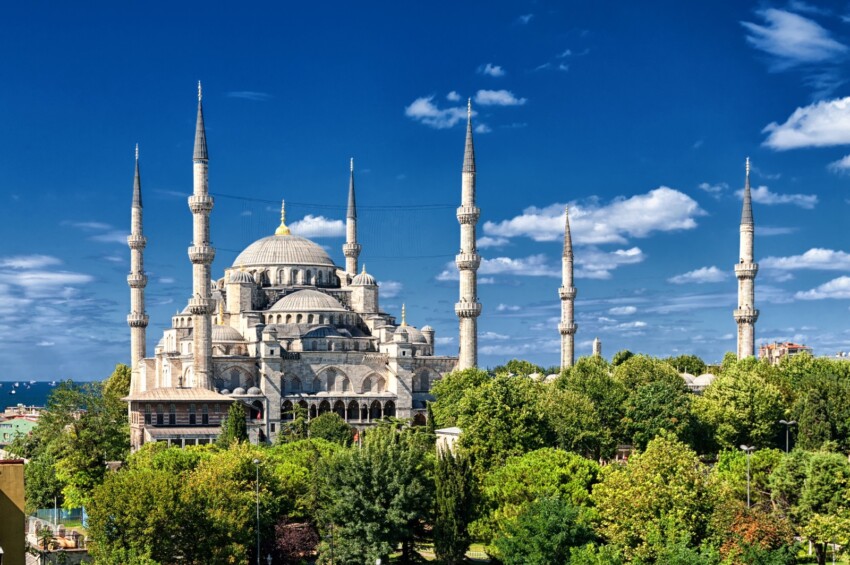
Istanbul is undoubtedly the main destination for visitors to Turkey, and choosing which neighbourhood to stay in will significantly influence your experience. The city spans two continents and each area has a distinct character, with specific advantages depending on the type of trip you’re planning.
Sultanahmet represents the historic heart of the city and the most logical choice for first-time visitors to Istanbul. Here you’ll find Hagia Sophia, the Blue Mosque and Topkapi Palace, all within walking distance. Hotels in this area range from small family-run guesthouses to elegant boutique hotels housed in former Ottoman palaces. The main advantage is being able to visit the main attractions on foot without using transport, whilst the drawback is that the area can feel quite touristy and slightly more expensive than average.
Beyoğlu and Taksim represent the modern and vibrant side of Istanbul. This area, centring on Taksim Square and the famous Istiklal pedestrian avenue, offers a wide choice of modern hotels, designer boutique hotels and apartments. Nightlife is much more animated compared to Sultanahmet, with numerous restaurants, bars and clubs. It’s the ideal choice for those wanting to immerse themselves in contemporary Istanbul whilst remaining close to historic attractions, reachable by a short tram or funicular ride.
Beşiktaş and Ortaköy are upmarket neighbourhoods located along the Bosphorus, perfect for those seeking a more residential and authentic atmosphere. Here you’ll find Dolmabahce Palace and numerous waterfront cafés where locals gather at weekends. Hotels in this area are generally mid-to-high range, with some properties offering spectacular views of the strait. The area is well connected to the centre by ferries and metro.
Kadıköy and the Asian shore are becoming increasingly popular with travellers wanting to experience authentic Istanbul, away from the tourist trail. Prices are generally lower than on the European shore, the atmosphere is relaxed and genuine, and the food scene is excellent. The downside is that you’ll need to cross the Bosphorus by ferry to reach the main tourist attractions, though this daily crossing can become an enjoyable experience in itself.
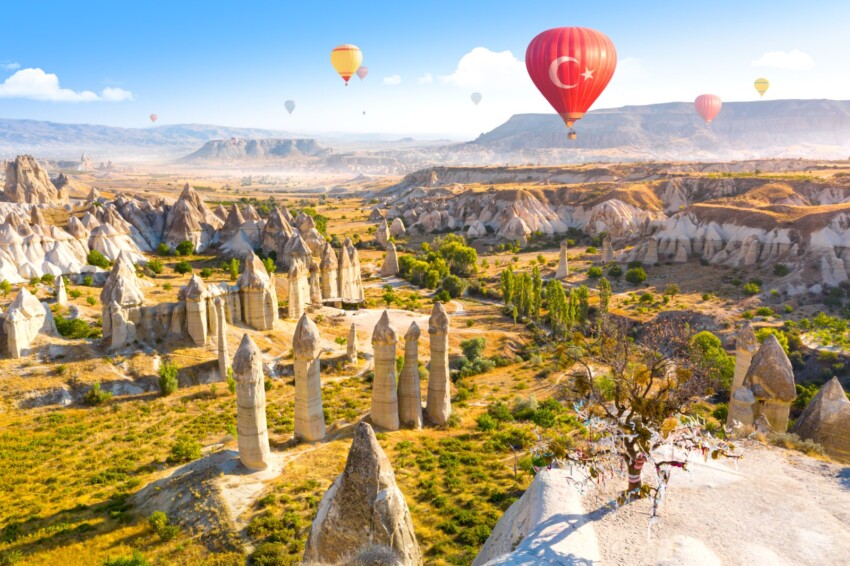
Cappadocia is world-famous for its cave hotels, unique properties carved from ancient dwellings excavated from volcanic rock. Sleeping in a cave is an experience that defines a visit to Cappadocia, combining historical charm with modern comforts. Many of these hotels feature panoramic terraces from which you can watch the spectacular morning show of hot air balloons taking flight at dawn.
Göreme is Cappadocia’s main tourist hub and offers the highest concentration of cave hotels, restaurants and traveller services. The location is strategic for exploring the surrounding valleys on foot, and many hotels arrange hot air balloon tours and guided excursions. The range spans from budget guesthouses to luxury boutique hotels with suites featuring jacuzzis and private terraces. The only drawback is that during peak season the village can become crowded with tourists.
Ürgüp offers a slightly quieter and more authentic alternative to Göreme. This larger town retains more of a local character, with an attractive historic centre, restaurants frequented by residents, and some of the region’s most refined cave hotels. Prices can be slightly higher than Göreme, but the atmosphere is more relaxed and less touristy.
Uçhisar is a small village built around an imposing rock formation that dominates the valley. Hotels here are generally upmarket, with boutique properties offering privacy, personalised service and spectacular views. It’s the perfect choice for those seeking a more exclusive and romantic experience, though the range of restaurants and services is more limited than in Göreme.
Avanos, situated along the Kızılırmak River, offers a different experience from the rest of Cappadocia. Famous for traditional pottery, this town sees fewer mass tourists and offers more budget-friendly accommodation. Hotels here are less characterful than the cave hotels of Göreme, but the authentic atmosphere and affordable prices make it a good choice for budget-conscious travellers.
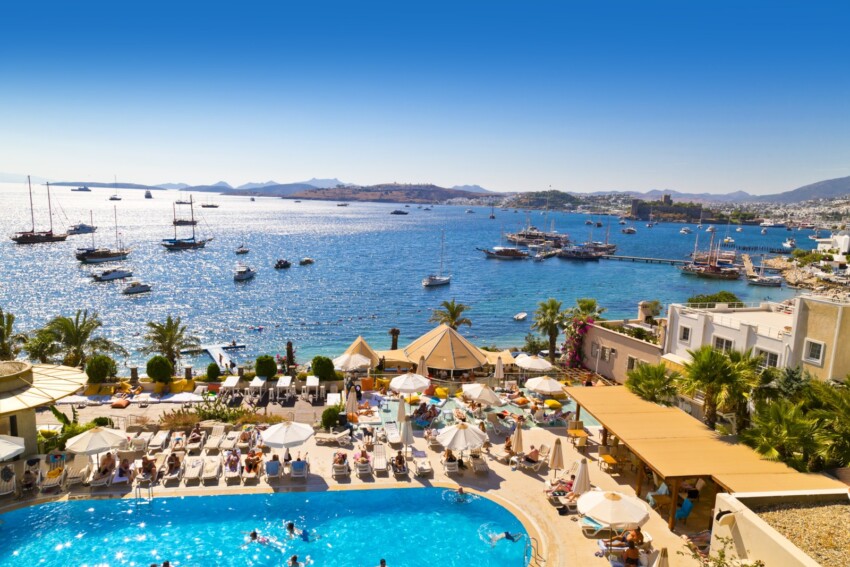
Turkey’s Aegean coast combines beautiful beaches, important archaeological sites and charming towns, offering a variety of accommodation ranging from all-inclusive resorts to small boutique hotels.
Smyrna (Izmir) is Turkey’s third-largest city and functions primarily as a base for exploring nearby archaeological sites such as Ephesus. Hotels are concentrated in the coastal Alsancak neighbourhood and the harbour area, offering modern business-class facilities. The city is vibrant, cosmopolitan and less touristy than other destinations, with generally affordable prices.
Bodrum is the Aegean coast’s most glamorous beach resort, known as Turkey’s Saint-Tropez. The historic centre develops around a Crusader castle and features charming boutique hotels in traditional white houses, whilst the surrounding peninsula hosts luxury resorts, private villas and exclusive beach clubs. Prices are significantly higher than other Turkish destinations, but the quality of facilities, beaches and nightlife justify the investment for those seeking a sophisticated experience.
Çeşme is an emerging destination appreciated by both international tourists and Turkish visitors, famous for fine sandy beaches, crystal-clear waters and natural hot springs. The town offers good hotel variety, from all-inclusive resorts to family guesthouses, with prices generally more accessible than Bodrum. Nearby Alaçatı is particularly beloved for its boutique hotels housed in restored stone buildings, ideal for those seeking a relaxed and authentic atmosphere.
Kuşadası is primarily a convenient base for visiting Ephesus and other archaeological sites in the area. The town itself is rather touristy and dominated by all-inclusive resorts, but offers competitive prices and good mid-range hotel choice. It’s the best choice for those travelling with children and seeking properties with entertainment and comprehensive services.
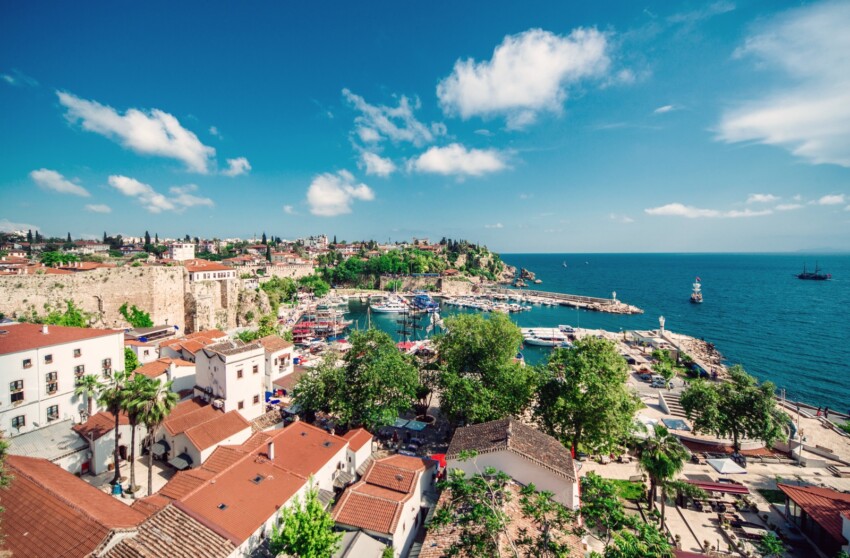
Turkey’s Mediterranean coast, also known as the Turquoise Coast, is famous for its crystal-clear waters, beautiful beaches and warm climate extending from April to October.
Antalya is the Mediterranean coast’s tourist capital and offers the widest choice of accommodation in the entire region. The historic Kaleiçi quarter houses boutique hotels in former Ottoman houses, perfect for those wanting to combine beach and culture. The Lara Beach area is dominated by huge luxury all-inclusive resorts with water parks and every conceivable service, ideal for families. Konyaaltı offers a pebble beach stretching for kilometres and mid-range hotels with a more relaxed atmosphere and more affordable prices.
Fethiye is an excellent base for exploring some of Turkey’s most beautiful beaches. The town itself offers budget and mid-range hotels, whilst nearby locations such as Ölüdeniz (famous for its blue lagoon) and Çalış Beach host beachfront resorts and guesthouses. The area is particularly appreciated by paragliding enthusiasts and those wanting boat trips along the coast.
Kaş is a picturesque town that has maintained an authentic atmosphere despite tourism. Hotels are generally small, family-run properties housed in traditional buildings with flower-laden terraces. You won’t find large resorts here, but rather charming boutique hotels and welcoming guesthouses. It’s the perfect destination for those seeking a more intimate and relaxed experience, with opportunities for diving, kayaking and exploring abandoned Lycian villages.
Alanya is a more affordable destination than Antalya, particularly popular with Russian and Scandinavian tourists. The town primarily offers all-inclusive resorts and mid-range hotels with sandy beaches and comprehensive family services. Prices are generally lower, though the atmosphere can feel less refined.
But Turkey has so much more to offer: quaint villages and bustling cities, natural wonders and regions well off the beaten track!
Bursa, the ancient Ottoman capital, delivers an authentic cultural experience far removed from mass tourism circuits. Hotels in the old town centre include modern properties alongside beautifully restored Ottoman hans. The thermal spa district of Çekirge, nestled at the foot of Mount Uludağ, is home to historic hotels with bathhouses fed by natural mineral waters. Bursa is an excellent choice for those keen to explore Ottoman history and shop the city’s legendary bazaars, where prices are significantly lower than in Istanbul.
The Black Sea region remains largely untouched by conventional tourist trails, rewarding visitors with dramatic mountain scenery, traditional villages and genuine Turkish hospitality. Trabzon is the coast’s principal city, with mid-range hotels serving as an ideal base for visits to Sumela Monastery and the inland valleys. Accommodation is straightforward but comfortable, with very reasonable rates.
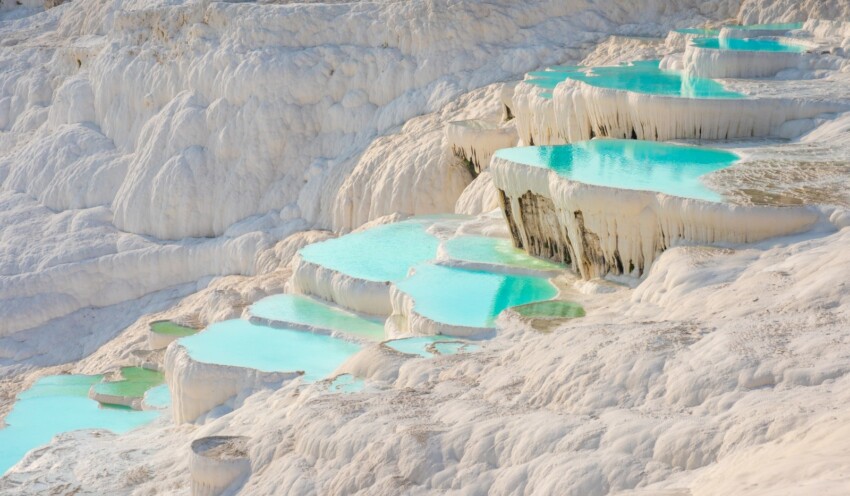
Pamukkale is renowned for its brilliant white travertine terraces and Roman thermal springs. Most visitors stay in the neighbouring village, where budget and mid-range hotels abound, many featuring thermal pools fed by the same hot waters that create Pamukkale’s cascades. An overnight stay allows you to visit the terraces at sunrise or sunset, when the light is magical and organised tour groups have departed.
Ankara, Turkey’s capital, is primarily a business destination with modern mid-to-upmarket hotels concentrated in the Kavaklıdere and Çankaya quarters. Rates are generally reasonable and properties maintain high standards, though the city lacks the tourist appeal of other Turkish destinations.
Turkey boasts an extraordinary range of accommodation options to suit every budget and travel style. Boutique hotels are particularly prevalent in Istanbul’s historic quarters, Cappadocia and charming coastal towns, often housed in carefully restored period buildings. These properties blend the appeal of traditional architecture with modern comforts, delivering a more personal and authentic experience than large chain hotels.
All-inclusive resorts dominate the Mediterranean and Aegean beachfront destinations, especially around Antalya, Alanya and Kuşadası. These establishments offer comprehensive facilities—children’s entertainment, spas, themed restaurants and water sports—making them an easy and cost-effective solution for families. Prices vary significantly by category, but the value for money is generally excellent compared with equivalent European resorts.
Family-run guesthouses (pansiyon in Turkish) represent the most economical and genuine option, particularly common in small towns and villages. Run by local families, they offer simple but clean rooms, often with breakfast included and the chance to dine with fellow guests. Turkish hospitality shines brightest in these establishments, where you’ll receive invaluable tips and enjoy an altogether more authentic experience.
Holiday apartments are increasingly popular, especially in Istanbul and tourist hotspots, offering greater independence and space than hotel rooms. They’re particularly practical for longer stays or groups of friends, allowing you to self-cater and live like a local resident. Online platforms offer extensive choice across all major destinations.
Hostels are found mainly in Istanbul, Göreme and select coastal locations, offering dorm beds or private rooms at very competitive rates. Many Turkish hostels maintain high standards, with welcoming communal areas, well-equipped kitchens and staff keen to organise tours and excursions—an excellent choice for young travellers and backpackers.
Use the form below to check room availability and prices in real time.
 Hotel
Hotel  Budget accommodations
  Apartments
  Family Hotel
 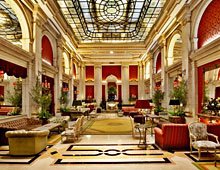 Luxury Hotel