Istanbul: Bosphorus Dinner Cruise & Show with Private Table
63.791 reviews
Buy now
From 23,70€ per person

Turkey is an extraordinarily vast and geographically complex country, stretching from Europe to Asia across mountains, plateaus and coastlines bordering four different seas. This geographical variety translates into extraordinary climatic diversity: whilst you’re enjoying the sun in swimming costume on the Mediterranean coast, in eastern Anatolia you might find sub-zero temperatures and snow-covered landscapes. Understanding the climate of different regions is essential for planning your trip and choosing the best time to visit.
In general, Turkey has four main climate zones: Mediterranean climate along the southern and western coasts, oceanic rainy climate on the Black Sea coast, continental climate on the Anatolian plateau and semi-desert climate in the south-east. This guide will help you understand the characteristics of each zone and pack the right luggage for your destination.
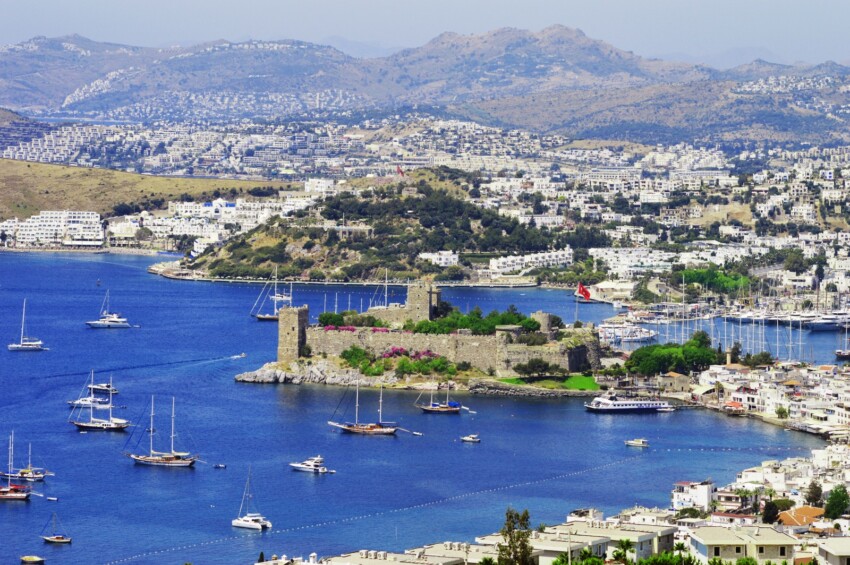
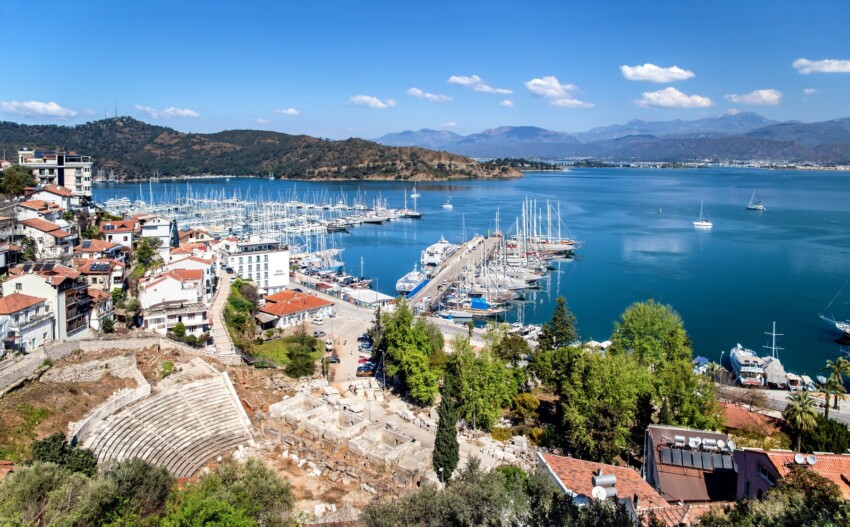
The coastal regions along the Mediterranean Sea and Aegean Sea enjoy typically Mediterranean climate, ideal for those seeking sun and sea. Cities such as Antalya, Bodrum, Marmaris, Fethiye and Izmir offer hot, dry summers with temperatures easily reaching 30–35°C between June and September.
Winters are mild, with average temperatures around 10–15°C allowing pleasant walks even during the coldest months. Rainfall concentrates mainly between November and March, but sunny days are common even in this period. The southern coast is slightly warmer than the Aegean coast, with winter temperatures rarely dropping below 10°C.
The sea water is perfect for swimming from May to October, reaching temperatures of 25–28°C in midsummer. This zone is ideal for beach holidays, with over 300 days of sunshine annually along the famous Turkish Riviera.
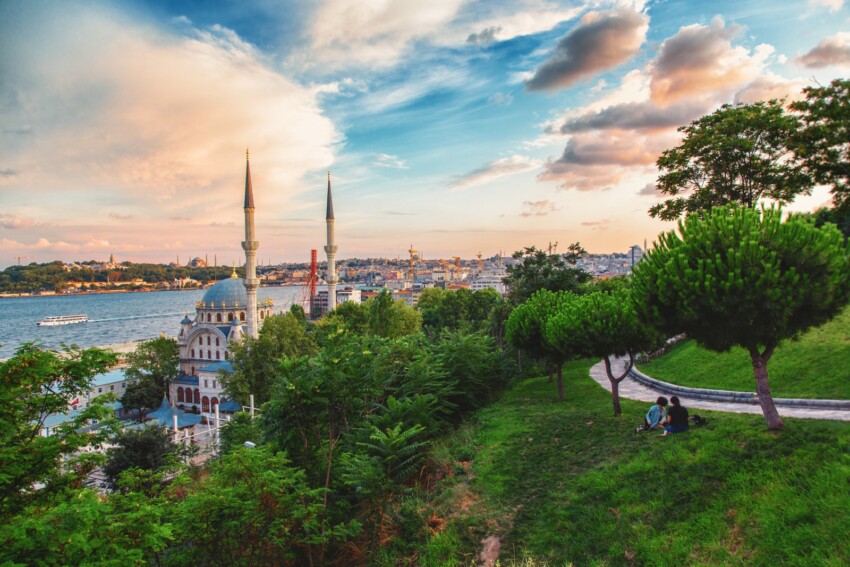
Istanbul and the area around the Sea of Marmara experience a transitional climate between Mediterranean and continental. Summers are hot and humid, with temperatures regularly exceeding 30°C between July and August, accompanied by considerable humidity that can feel oppressive.
Winters are relatively cold, with average temperatures of 4–8°C and frequent rainy days. Snowfall is not uncommon, transforming Istanbul into a winter postcard, though snow rarely accumulates for more than a few days. The wettest period runs from November to March, whilst summer is generally dry.
Spring (April–May) and autumn (September–October) are the best seasons to visit Istanbul, with pleasant temperatures between 15–25°C and fewer tourists.
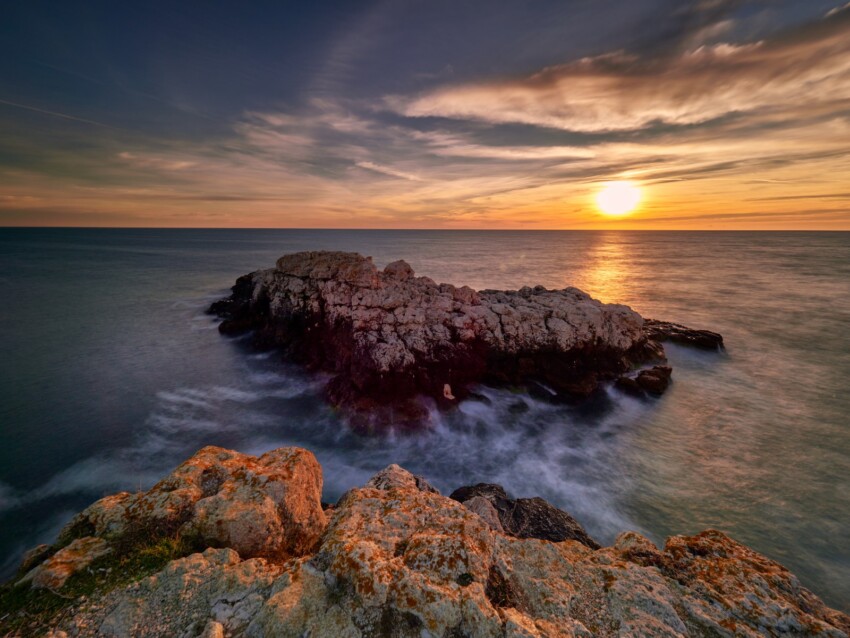
The Black Sea coast, stretching east from Istanbul to the border with Georgia, is Turkey’s wettest zone. It rains year-round here, with precipitation exceeding 2,200 mm annually in the eastern parts, making it one of the most humid areas of the eastern Mediterranean.
The climate is temperate oceanic, with mild winters (average temperatures of 7–8°C) and cool, humid summers (22–24°C). High humidity and constant rainfall maintain lush green vegetation, creating landscapes completely different from the rest of Turkey. This region is famous for tea and hazelnut plantations covering the hillsides.
When visiting cities like Trabzon or Rize, always bring an umbrella and waterproof clothing, regardless of season. The sea is warm enough for swimming only between July and September.
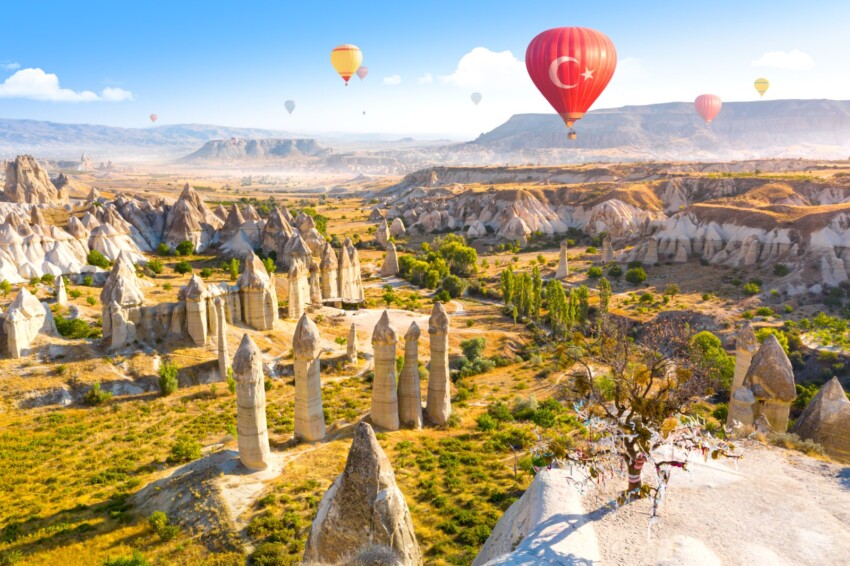
The Anatolian plateau, which covers much of central Turkey and includes cities like Ankara and Cappadocia, has a distinctly continental climate with marked temperature swings both seasonally and daily.
Winters are harsh with average temperatures hovering around 0°C in Ankara (situated at 900 metres altitude) and frequent snowfall that can block roads for days. Snow remains on the ground for several weeks and night temperatures regularly drop below –10°C. In Cappadocia, winter offers fairytale landscapes with the famous fairy chimneys blanketed in snow.
Summers are hot and dry, with daytime temperatures exceeding 30–35°C, but nights stay cool thanks to the altitude. Temperature swings between day and night can reach 15–20°C, so even in summer you’ll need a jacket for the evening.
Precipitation is scarce (300–400 mm annually), concentrated mainly in spring and autumn. July and August are the driest and sunniest months.
Eastern Anatolia, the mountainous region near the borders with Armenia, Georgia and Iran, experiences Turkey’s most extreme climate. Winters are extremely harsh, with temperatures plummeting to –30°C or –40°C in the highest areas. Snow covers the landscape for 4–5 months yearly, from November to April.
Summers are short but pleasant, with average temperatures of 17–20°C making this region an ideal refuge from the heat elsewhere in the country. High mountain areas, such as Mount Ararat exceeding 5,000 metres, maintain permanent glaciers and year-round snow.
This is a region for adventurous travellers, best visited between June and September when mountain roads are passable.
The south-eastern provinces, bordering Syria and Iraq (such as Gaziantep, Şanlıurfa, Diyarbakır), have a semi-desert climate with scorching summers. From June to September, daytime temperatures regularly exceed 40°C, reaching peaks of 45–47°C on the hottest days. Humidity is low and the landscape is arid.
Winters are surprisingly cold, with average temperatures of 2–5°C and occasional snowfall. Daily temperature swings are significant: in spring and autumn temperatures easily shift from 10°C in the morning to 30°C in the afternoon.
Rainfall is minimal (under 300 mm annually), concentrated between December and March. This region is best visited in spring (April–May) or autumn (October–November) when temperatures are more bearable.
The best time to visit most of Turkey is spring (April–June) and early autumn (September–October). During these months temperatures are pleasant across almost the entire country, rainfall is limited and nature is at its most spectacular with spring blooms or autumn colours.
For seaside holidays along the Mediterranean and Aegean coasts, the ideal period runs from May to October, with peak crowds and prices between July and August.
Winter (December–February) is not recommended for the Anatolian plateau and inland areas due to intense cold, but can be a good time to visit coastal cities with fewer tourists, provided you’re comfortable with rainy days.
Your luggage will depend greatly on the season and destination. For summer on the coasts, pack lightweight cotton or linen clothing, sunglasses, a hat and high SPF sunscreen. However, include a scarf or shawl for visiting mosques and a light jacket for evenings, especially in Cappadocia where temperatures drop.
For winter inland, you’ll need heavy coats, scarves, gloves and waterproof shoes. In Istanbul intermediate jackets and an umbrella suffice. On the southern coasts, even in winter spring-like clothing with an evening jacket is enough.
In spring and autumn, opt for “layering”: t-shirts, shirts, light jumpers, a windproof jacket and a compact umbrella that always comes in handy.
Turkey is a country where four seasons coexist simultaneously in different regions. This climatic diversity is part of its appeal and allows you to choose the perfect destination based on your preferences: whether you seek the scorching sun of Mediterranean beaches, the cool of the Anatolian mountains or the romantic atmosphere of Istanbul under snow, you’ll always find the right time to visit this extraordinary country.
 Hotel
Hotel  Budget accommodations
  Apartments
  Family Hotel
  Luxury Hotel