Travel Insurance in Turkey
Before departing for a trip to Turkey, it is important to take out a comprehensive health insurance policy that covers potential medical issues and beyond.
Read more
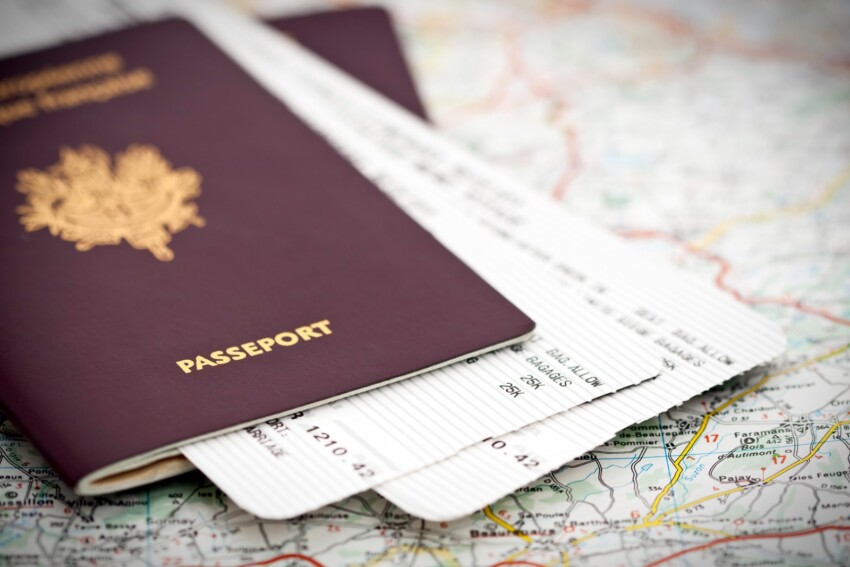
Organising a trip to Turkey is straightforward, but it’s essential to have the correct documentation to avoid any awkward situations at the airport or border. Turkey welcomes millions of European visitors each year and has established relatively simple entry procedures for tourist stays.
European citizens can enter Turkey with a passport or, in many cases, a national identity card valid for travel abroad. The document you choose must have a validity period of at least 5-6 months from your date of entry into the country. The good news is that for tourist stays of up to 90 days, you don’t need to apply for a visa.
In this guide, we explain in detail what documents you need, when a passport is mandatory, what you should know about border controls, and all the practical aspects for entering Turkey without any problems.
European Union citizens have the option of choosing between two documents to enter Turkey, depending on how you enter the country.
A national identity card (in either physical or electronic format) is accepted as a travel document for Turkey in the following situations:
The identity card must be in perfect condition, with no tears, stains or damage that could make it illegible. The remaining validity must be at least 5-6 months from your planned date of entry into Turkey.
Note: plastic identity cards with extensions granted by stamp or sticker are not always accepted by Turkish authorities, who may not recognise the validity of the extension. If your card has been extended this way, it’s safer to travel with your passport. Furthermore, from 3 August 2026 onwards, plastic identity cards will completely cease to be valid for travel abroad.
A passport is accepted in all cases and is mandatory in the following situations:
Your passport must have:
For European citizens travelling for tourism, the answer is no: a visa is not required for stays of up to 90 days within any 180-day period. This means you can visit Turkey freely without needing to apply for any prior permission or pay entry fees.
A visa becomes mandatory in the following cases:
Visa applications for non-tourism purposes are made online through the official Turkish government portal (www.konsolosluk.gov.tr/Visa), where you’ll need to fill in the form, upload the required documents and book an appointment at the competent Turkish consulate.
When you arrive in Turkey, all passengers must go through passport control. The authorities will verify your document’s validity and the regularity of your entry.
If you’re travelling with a passport, Turkish authorities will place an entry stamp on a blank page. This stamp shows your date of arrival and it’s essential to keep it in good condition as it will be checked when you leave the country.
If you’re using a national identity card, the stamp will be placed on a separate slip of paper that will be given to you. This document is extremely important: you must keep it for the entire duration of your stay and present it at the control point when you leave Turkey. Losing this slip can cause significant problems and delays at the airport.
A particular case that often causes confusion concerns day trips from Turkish coasts to Greek islands (such as Rhodes, Kos, Samos). If you travel from Turkey by boat to visit a Greek island and return the same day or a few days later, you must ensure that Turkish authorities have stamped your exit when you leave Turkey and your re-entry stamp when you return.
The absence of these stamps is considered illegal entry into Turkey and can result in immediate expulsion and ban on re-entry. Before boarding the ferry, always check that your document or slip has been properly stamped.
Minors under 18 years old must have their own valid travel document: an identity card or passport in their name. It is not possible to travel using your parents’ passport.
If a minor travels without one or both parents (for example with grandparents, uncles or aunts, school groups, or alone if old enough), a parental consent declaration or travel authorisation signed by the parents and authenticated at a police station or local authority office is required. This documentation may be requested by both airlines and border authorities.
We recommend always checking the Safer Travel website of the Foreign Office for the latest provisions regarding minors, as regulations can vary.
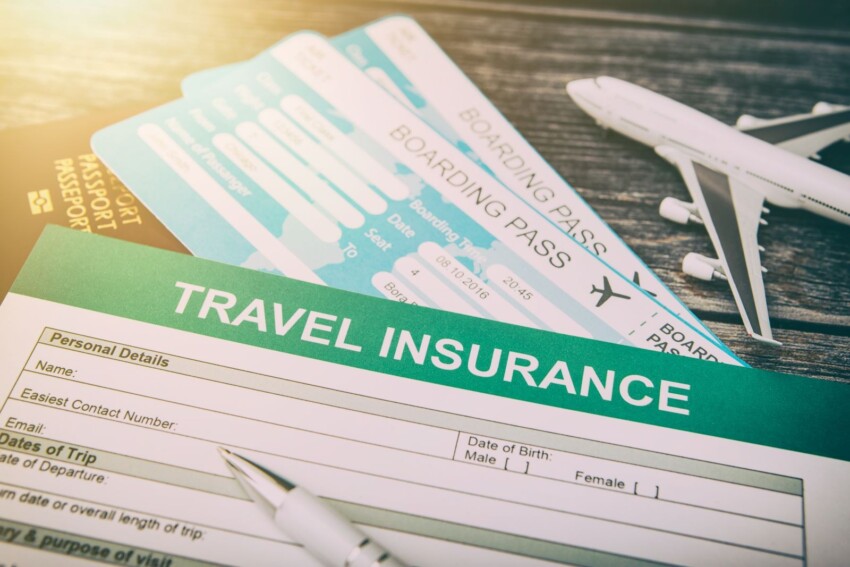
Health insurance is not a mandatory document for entering Turkey as a tourist, but it is strongly recommended. Turkey is not part of the European Union and therefore the European Health Insurance Card (EHIC) is not valid in Turkish territory.
In case of medical need, you’ll have to pay healthcare costs out of your own pocket. Turkish private hospitals (particularly numerous in Istanbul) offer high standards but have significant costs. A visit to the emergency room can cost hundreds of euros, whilst a hospital stay can run into thousands.
Good travel insurance covers:
The cost of travel insurance for Turkey is reasonable (generally €20-40 for a week) and could save you considerably larger expenses.
If you intend to hire a car to explore Cappadocia or the Turkish coast, a European driving licence is generally accepted by car hire companies and recognised by Turkish police for short tourist stays.
However, to avoid problems it’s advisable to also have an International Driving Permit (model Geneva Convention 1949 or Vienna 1968), which you can apply for at the Driving Licence Office in your country before departure. Some car hire companies may request it, especially for higher category vehicles.
Important: Turkish insurance companies often impose very low limits for third-party damage. Make sure you understand the insurance coverage when hiring a vehicle and consider additional policies.
Before you set off for Turkey, it’s essential to carry out some checks:
Check that your passport or identity card has at least 5-6 months of validity from your planned date of entry into Turkey. Turkish authorities are very strict on this point and will reject documents with less validity.
Examine your document carefully: the photo must be recognisable, there should be no tears, water stains, missing pages or illegible signature. Damaged documents will be rejected.
Make sure your passport has at least one completely blank page for entry and exit stamps. Many travellers are stopped for this very reason.
Airlines carry out document checks at check-in and may refuse to let you board if your documents are not in order. Also check any specific requirements of your airline.
The rule of 90 days in 180 days is important to understand if you’re planning multiple trips to Turkey or extended stays. It means you can remain in Turkey for a maximum of 90 days total, calculated within any 180-day time window.
Anyone who travels to Turkey frequently for work or needs extended stays should definitely apply for the appropriate visa before departure.
With your documents in order and a bit of care, your entry into Turkey will be quick and smooth, allowing you to start enjoying the wonders of this extraordinary country straight away. Hoş geldiniz – welcome to Turkey!
 Hotel
Hotel  Budget accommodations
  Apartments
  Family Hotel
  Luxury Hotel