Documents Required to Enter Turkey
Documents for entering Turkey: passport or identity card? Complete guide to minimum validity, when you need a visa and rules for European citizens.
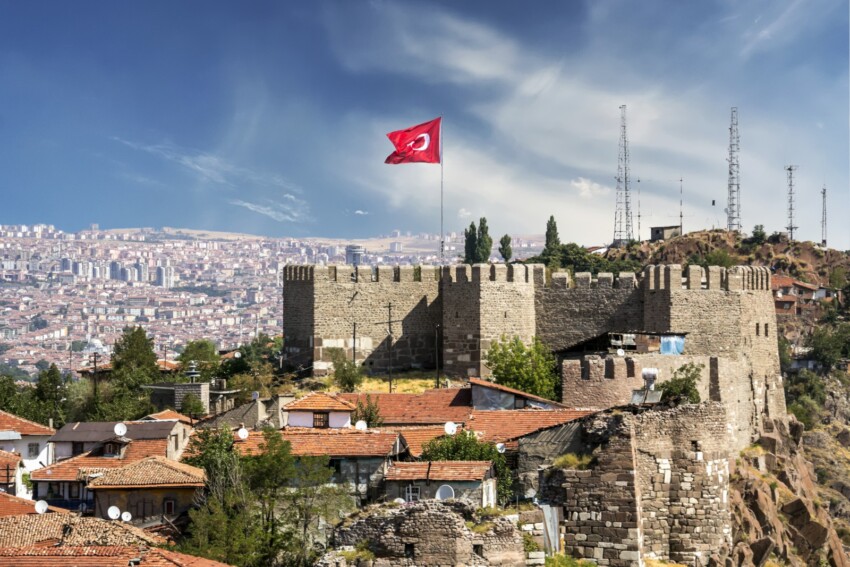
Planning a trip to Turkey means preparing to discover a fascinating country where East and West meet, creating a unique blend of culture, history and breathtaking landscapes. To make the most of this experience, it’s important to familiarise yourself with some practical information that will make your stay simpler and more enjoyable.
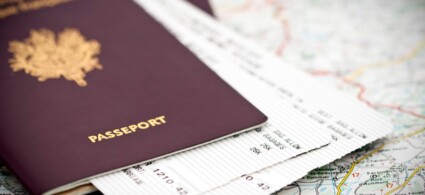
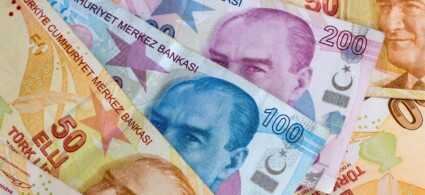
The first thing to check is the documentation required for entry: European travellers can choose whether to bring a passport or an identity card valid for travel abroad, provided they have at least 5–6 months of validity remaining. The good news is that you don’t need a visa for holidays of up to 90 days. You will, however, need to sort out currency exchange, as Turkey uses the Turkish lira rather than the euro: you can conveniently withdraw money at ATMs or exchange cash at currency exchange offices.
The climate varies considerably between different regions: the Mediterranean and Aegean coasts enjoy mild weather year-round, with hot summers ideal for the sea, whilst Istanbul and the interior of the country experience colder winters. The most pleasant months to visit Turkey are April, May, June, September and October, when you’ll find pleasant temperatures and fewer tourists compared to the peak summer season of July and August.
Getting around Turkey is easy thanks to a well-organised transport system: intercity buses connect all the major cities at reasonable prices, internal flights allow you to cover long distances quickly, and ferries serve coastal destinations. If you want to explore at a leisurely pace areas such as Cappadocia or the Turkish coastline, consider hiring a car to move around independently.
You cannot leave Turkey without having tasted its extraordinary gastronomy: from various types of kebab to meze (shared appetisers), from crispy börek to sweet baklava, every meal will be a discovery. Accompany your dishes with a glass of çay, black tea served in distinctive tulip-shaped glasses, or try traditional Turkish coffee. Turkish is the language spoken, but in tourist destinations such as Antalya, Bodrum and Istanbul, communicating in English will not be a problem.
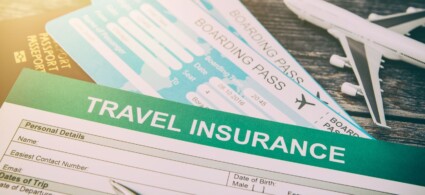
An important aspect to consider is that Turkey is not part of the European Union: this means that your European health insurance card will not be valid. We strongly recommend taking out comprehensive travel insurance that covers potential medical expenses, which in Turkey can be quite substantial in private hospitals. Respect local traditions, particularly when visiting mosques: remove your shoes before entering, women must cover their heads with a scarf, and everyone should wear clothing that covers their shoulders and knees.









 Hotel
Hotel  Budget accommodations
  Apartments
  Family Hotel
  Luxury Hotel