From archaeological museums to contemporary art galleries, Istanbul offers a vast array of sites that allow you to discover more about the city's history and culture.
Istanbul is a city that preserves not only numerous historical sites, mosques of great charm and ancient monuments but also several museums housing extensive collections and testimonies of its long history. There is no shortage of modern and contemporary art museums where you can admire important works and creations by both Turkish and international artists.
To plan your Istanbul trip to best effect, here’s a mini-guide to the museums and galleries worth visiting in the city.
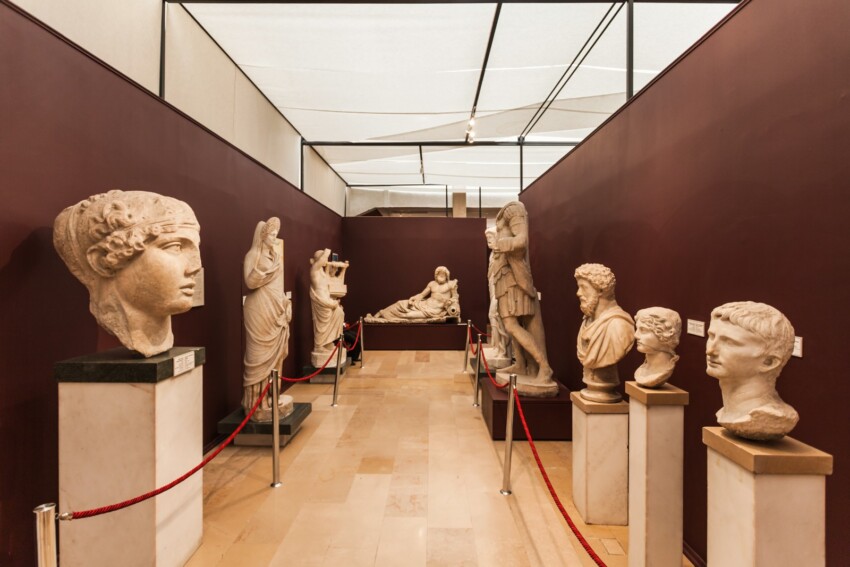
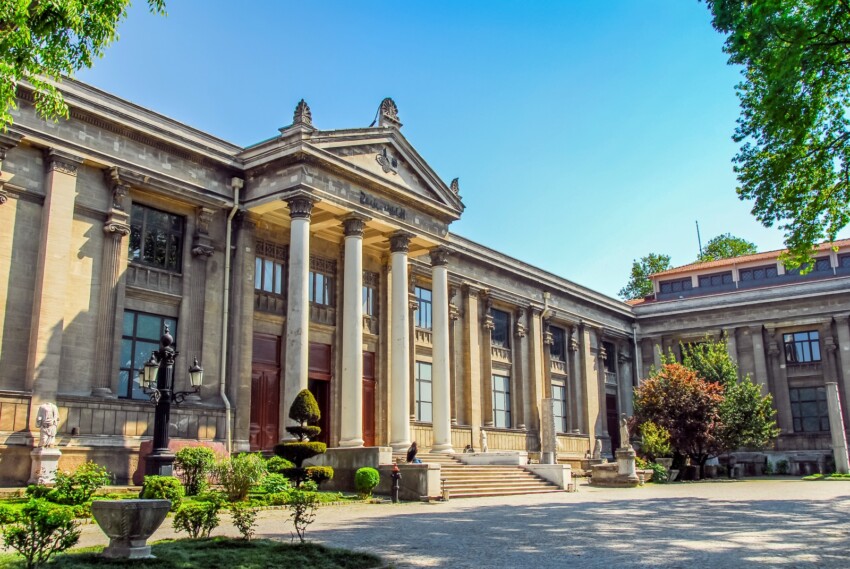
The Istanbul Archaeological Museum (İstanbul Arkeoloji Müzesi) was established by archaeologist and artist Osman Hamdi in 1891 and is one of the city’s most important museum sites, located a short distance from Topkapi Palace. It houses over a million artefacts that tell much about the history and past of Anatolia, and given the vast number of objects, the site has been divided into three main sections.
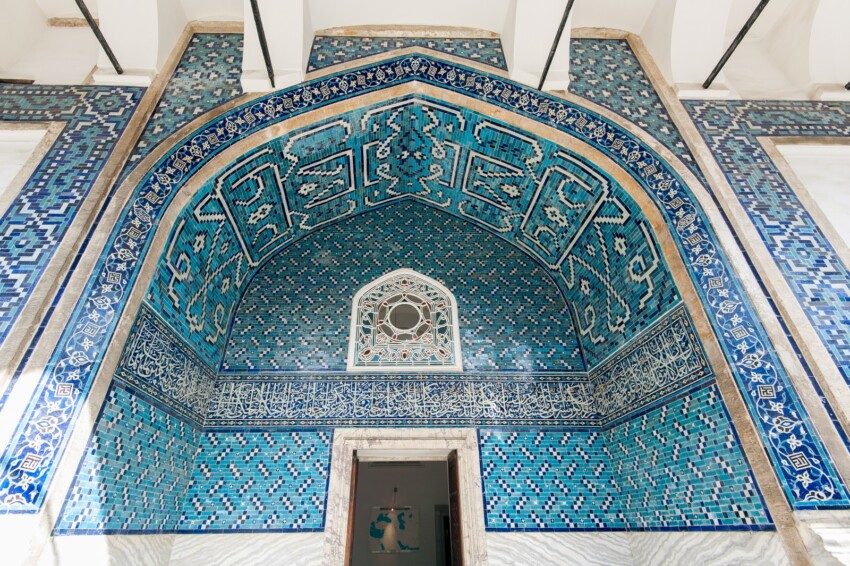
The oldest section preserves testimony to ancient Greece and holds an extensive collection of finely decorated sarcophagi, including that of Alexander (dating from the 4th century BC) and that of Meleager. This is followed by the Collection of Oriental Art, which houses Ottoman tombs and objects from various civilisations such as Egyptian, Sumerian and Akkadian. Finally, the last section is the Tiled Kiosk, an interesting building that hosts a collection of Islamic art with artworks and fine examples of Iznik ceramics and jewellery.
Museum of Turkish and Islamic Art
2Binbirdirek, At Meydanı Cd No:12, 34122 Fatih/İstanbul, Türkiye
The Museum of Turkish and Islamic Art is considered one of Istanbul’s principal museums as it displays over 40,000 historical artefacts as well as an extensive ethnology section. In addition to a vast collection of works including manuscripts, textiles, ceramics and art objects, the museum chronicles the history of Islam’s spread throughout Turkish territory. The ethnology section, meanwhile, narrates the daily life and traditions of the Ottoman (and Turkish) population at different historical periods and in various regions of the country. The museum is housed within a palace in the Sultanahmet area that was once owned by Ibrahim Pasha, the man who married the sister of Suleiman the Magnificent. Subsequently, this building served as a residence for the Sultan’s Grand Viziers until its conversion into a museum in the early 20th century.
Pera Museum
3Asmalı Mescit, Meşrutiyet Cd. No:65, 34430 Beyoğlu/İstanbul, Türkiye
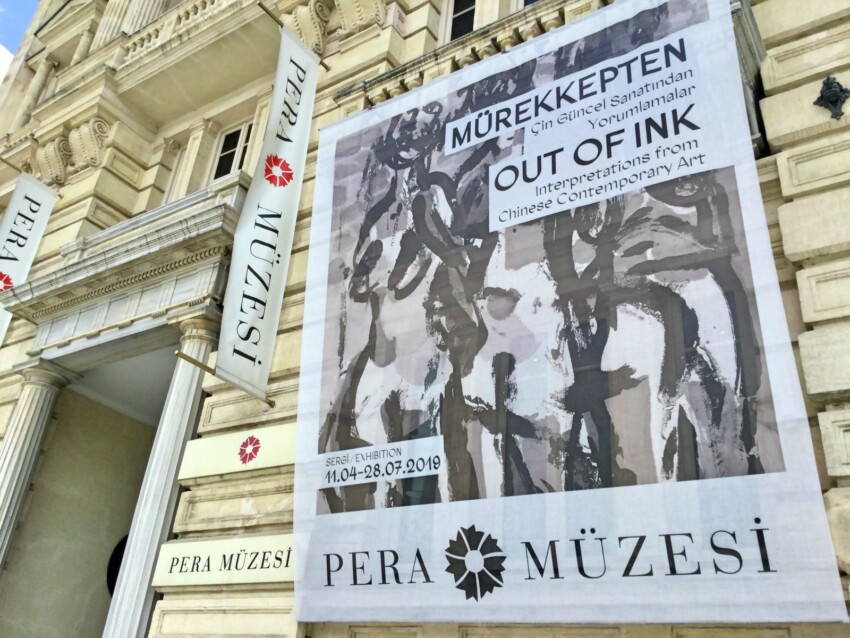
The Pera Museum (Pera Müzesi) is located in the Beyoğlu district (formerly known as Pera) and displays an extensive range of Oriental artworks from the 18th and 19th centuries. The painting section showcases creations by Turkish and European artists, including several works by Osman Hamdi Bey (1842–1910), considered one of the leading Turkish artists of the 19th century.
This is complemented by Ottoman art objects, artefacts from various periods and hand-crafted ceramics from Kütahya. A special section is dedicated to an extensive collection of weights and units of measurement from Anatolia. Here you can admire the main types of scales and instruments used to measure weight, length and volume in different contexts: from architecture to land surveying, from commercial activities to shipping.
Miniaturk
4Örnektepe, İmrahor Cd. No:7, 34445 Beyoğlu/İstanbul, Türkiye
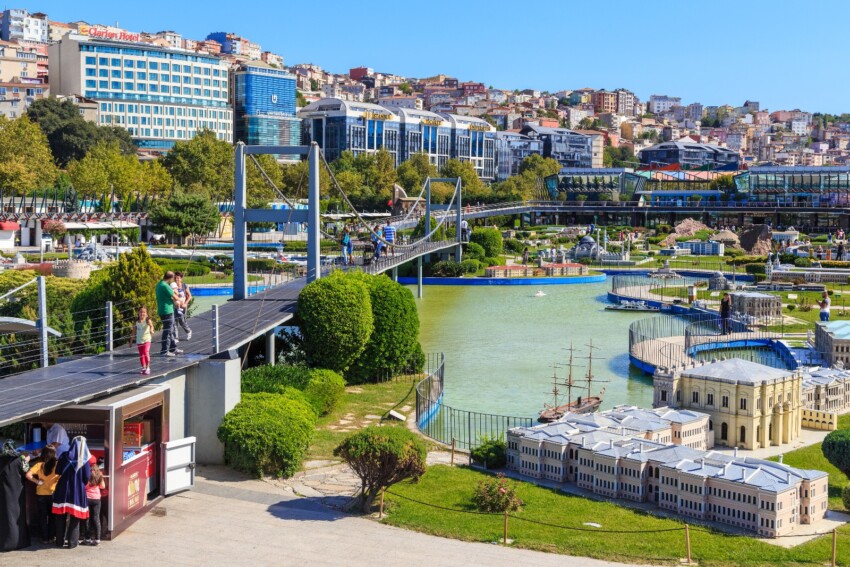
Miniaturk, or the Museum of Miniature Turkey, spans an area of 60,000 square metres and exhibits miniature models of Turkey’s principal attractions and most important monuments. It’s an open-air museum located on the northern shore of the Golden Horn, allowing you to spend hours discovering the country’s major sites of interest.
There are over 135 scale models at 1:25 ratio, selected from the country’s most famous attractions, encompassing not only archaeological sites, historic palaces, ancient mosques and temples but also natural formations such as the Fairy Chimneys of Cappadocia and the travertine pools of Pamukkale. Among the most significant reconstructions are also the Temple of Artemis in Ephesus and the Mausoleum of Halicarnassus, considered among the Seven Wonders of the Ancient World. The site also hosts cafés, restaurants, children’s play areas and sports facilities.
Sakıp Sabancı Museum
5Emirgan, Sakıp Sabancı Cd. No:42, 34467 Sarıyer/İstanbul, Türkiye
The Sakıp Sabancı Museum sits somewhat off the main tourist routes but boasts a captivating position overlooking the Bosphorus, which alone warrants a visit for the wonderful panoramas it affords. The museum is located in the Emirgan district, one of the city’s most beautiful neighbourhoods, which is also home to a vast park considered one of Istanbul’s “green lungs”. The Sakıp Sabancı Museum is housed in a stately mansion that was first owned by a wealthy Egyptian family, later served as the Montenegrin embassy, and finally was purchased by the Sabancı family in the 1950s.
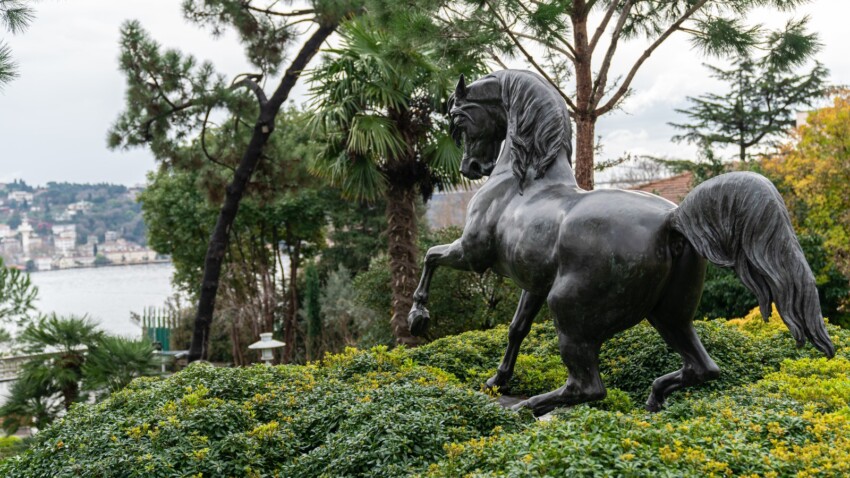
Only from the early 2000s did the building become a museum hosting various collections of paintings, furniture, fittings and calligraphic works created between the 14th and 18th centuries. Particularly notable are examples of traditional Ottoman documents dating to the 14th century and other objects from that era. The palace also boasts a beautiful garden with views over the strait, and outside stand two large horse statues created by a French sculptor in memory of the bronze horses looted from the Hippodrome.
Atatürk Museum
6Meşrutiyet, Halaskargazi Cd. No:140, 34363 Şişli/İstanbul, Türkiye
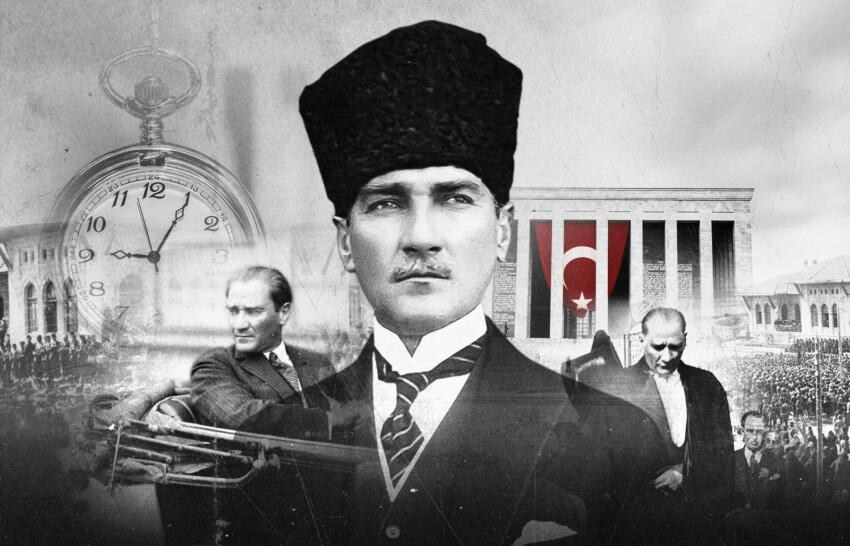
The Atatürk Museum (Atatürk Müzesi) is housed in the residence where Mustafa Kemal Atatürk (1881–1938) lived with his mother and sister before becoming president of the Republic. The building, a three-storey residence constructed in 1908, is located in the Şişli district on the European side of the city. Atatürk is regarded not only as the first president but also as the founder of the Turkish Republic, and aspects of his personal and political history are recounted in this house museum.
Here you can observe numerous objects, as well as clothing, original documents, photographs, paintings and other items belonging to the president and his family. The building was officially declared a museum for the first time in the 1940s, initially under the name of Atatürk Revolution Museum, but was later closed following a fire and underwent extensive restoration. On 19 May 1981, the site reopened as the Atatürk Museum to mark the 100th birthday of the Turkish leader.
Military Museum
7Halaskargazi, Vali Konağı Cd. No:2, 34367 Şişli/İstanbul, Türkiye
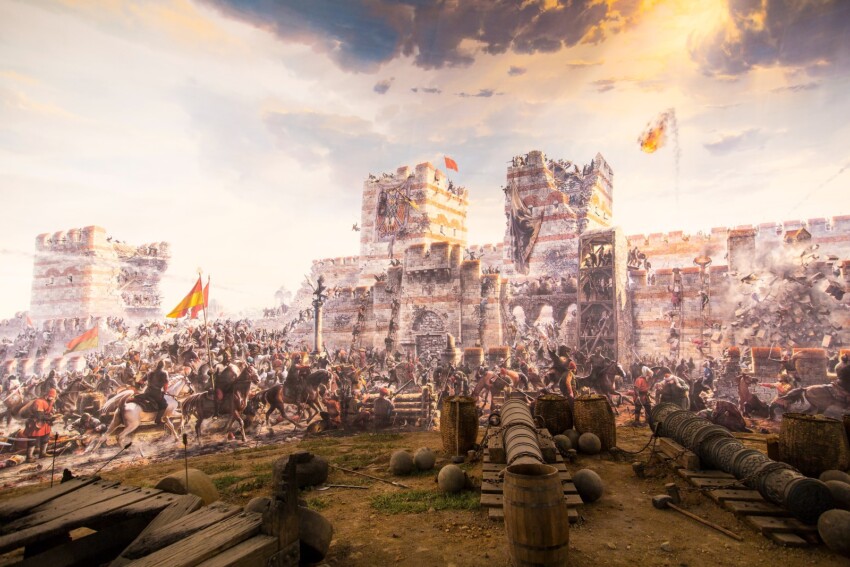
The Military Museum in Istanbul (Askerî Müze) is also located in the Şişli district and is dedicated to over six hundred years of Turkish military history. It is one of the world’s most important museums of its kind and displays over 50,000 items across thirty large galleries, including swords, weapons, cannons, flags, uniforms and standards. The museum also includes an explanatory pathway showing how weapons and armour have evolved over time: from warfare with bows and arrows to the advent of gunpowder.
Furthermore, considerable space is dedicated to the formation of the Ottoman army, which later became the Turkish army, and to the important battles it fought over the centuries. Before becoming a museum, this building was the seat of the military academy, and now also hosts a room dedicated to Mustafa Kemal Atatürk, the Turkish president who studied at this very academy between 1899 and 1905.
Galata Mevlevi Museum
8Şahkulu, Galip Dede Cd. No:15, 34420 Beyoğlu/İstanbul, Türkiye
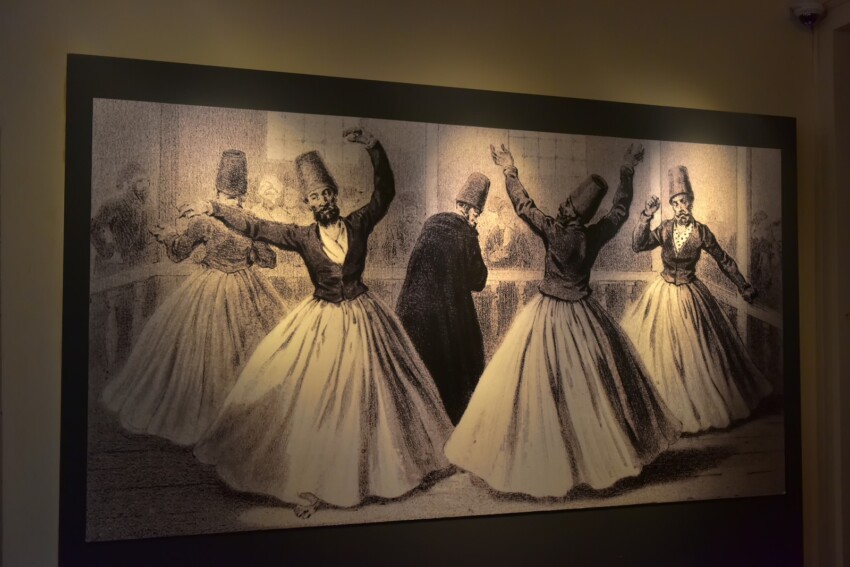
One experience not to be missed in Istanbul is witnessing a performance by the Whirling Dervishes, exhibitions of special dancers who perform truly distinctive dance rituals, spinning on themselves. The “Dervishes” are followers of Muslim religious brotherhoods who practise Sufism, considered a mystical current within Islam, and claim to communicate with the divine through prayer and dance. In particular, the ascetic order of the Mevlevi (Mevleviye) has been practising this since the 13th century and trains dancers whose dances have also been designated a UNESCO World Heritage site.
To learn about and explore the history of this ancient practice, from its origins to its development, you can visit the Galata Mevlevi Museum (Galata Mevlevihanesi Müzesi), located in the Beyoğlu neighbourhood. For a period, the dances of the Dervishes (called sema) were banned in Turkey, and these survived because they were passed down secretly in small villages. The museum displays specimens of ancient musical instruments used in this practice and historical texts of the order. Additionally, every Sunday the Museum hosts performances by the Whirling Dervishes, which you can attend by booking in advance.
Istanbul Museum of Modern Art
9Kılıçali Paşa, Tophane İskele Cd. No:1/1, 34433 Beyoğlu/İstanbul, Türkiye
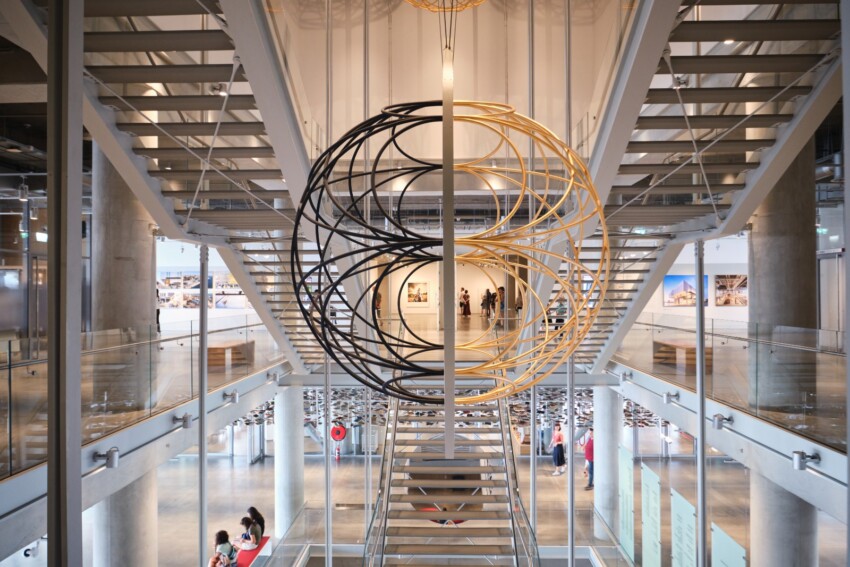
The Istanbul Museum of Modern Art provides a comprehensive overview of modern and contemporary art throughout Turkey. Designed by Renzo Piano in collaboration with Arup, the new Istanbul Modern Museum is not merely a museum but also a multipurpose cultural centre where events and activities are organised, and a gallery hosting exhibitions by emerging artists.
This museum is also located in the Beyoğlu neighbourhood, therefore on the European side of the city, and spanning an area of 15,000 square metres, it houses both permanent collections and temporary exhibitions of works by the most important Turkish and international artists. The contemporary-style building is characterised by large glass panes and galleries with white walls hosting not only paintings but also thematic areas featuring photographs, installations and videos.
Map
In the following map you can see the location of the main places of interest mentioned in this article.
How to save on transport and entrance fees
City Card allow you to save on public transport and / or on the entrances to the main tourist attractions.

 Hotel
Hotel  Budget accommodations
  Apartments
  Family Hotel
  Luxury Hotel